Two-Eyed Seeing is a guiding principle that acknowledges the multiple perspectives available resulting from colonization. It means using the strengths of different perspectives and ways of thinking and using them in harmony for the greater good. It involves working together instead of considering one way of thinking as superior to others. Respecting each other and teaching each other to find solutions together is part of Two-Eyed Seeing. As described by Albert Bartlett, Two-Eyed Seeing “refers to learning to see from one eye with the strengths of Indigenous knowledges and ways of knowing, and from the other eye with the strengths of Western knowledges and ways of knowing, and to using both these eyes together, for the benefit of all” (Barlett, p. 335).
How to Use Connective Instruction to Get a 7x Boost in Engagement
A.J. Juliani
There are three distinct categories of teaching practices: Lively Teaching (group work, games, projects, movement, constructing knowledge socially), Academic Rigor (cognitively demanding tasks, high expectations with passionate investment in content), and Connective Instruction (helping students see the curriculum as something that matters to their current lives and their futures).
5 steps to turn your math curriculum into a daily problem-solving routine
Make Math Moments Virtual Summit session with Mona from monamath.com
Pick one word problem and follow the below routine. Take about 2o minutes to build a deep understanding about a chosen word problem before individual work. The fun is in the students talking to each other about their thinking.
Make Math Moments Virtual Summit Session by Jennifer Bay-Williams
Flashcards and multiplication charts rely on memorization. Skipping counting also leads to memorization. Explicit stategy instuction outperforms drills and memorization. Research has shown this.
Please see the document below for guidlines to follow when swimming is involved on a field trip:
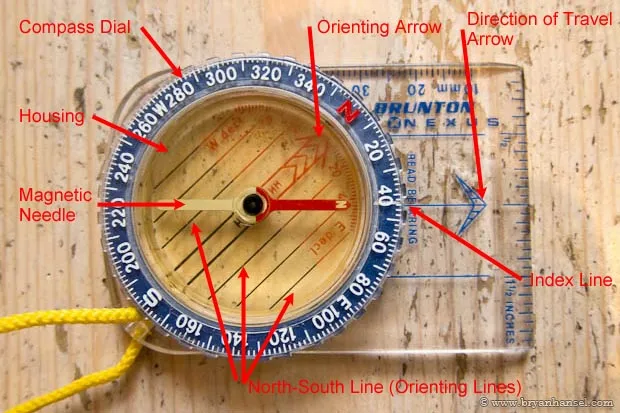
Parts of a Compass
When heading away from home for an outdoor adventure, it’s important to be prepared for planned trip, but also in the event that things go wrong. The following list can be adapted based on the extend of the excursion planned and the potential hazards.
At the different beaches of the Lakelse Lake Provincial Park, wildlife lives in the area and their tracks can be found within the park. The poster below outlines the tracks of coyotes, red squirrels, moose, and Canada geese, which all live in the area.